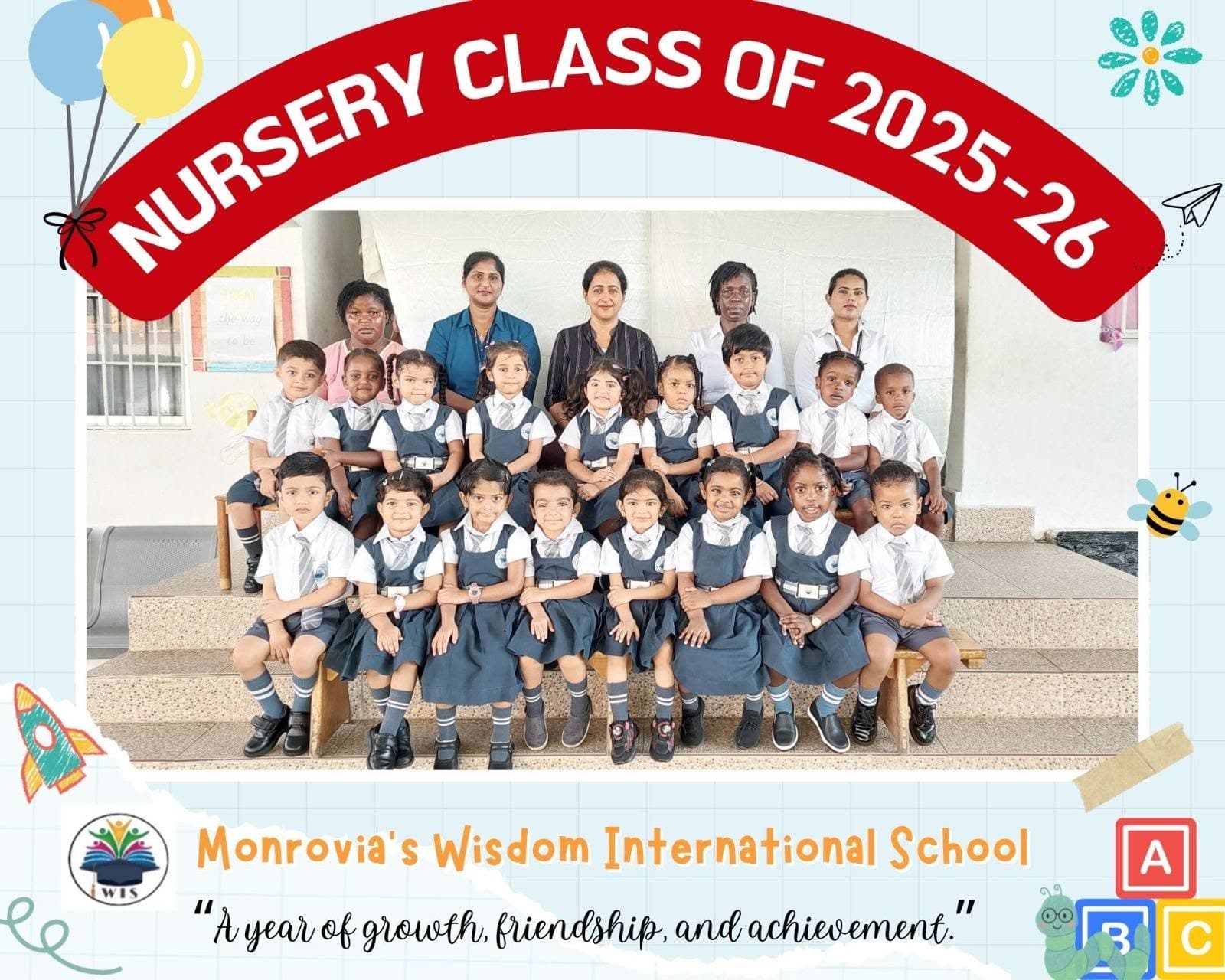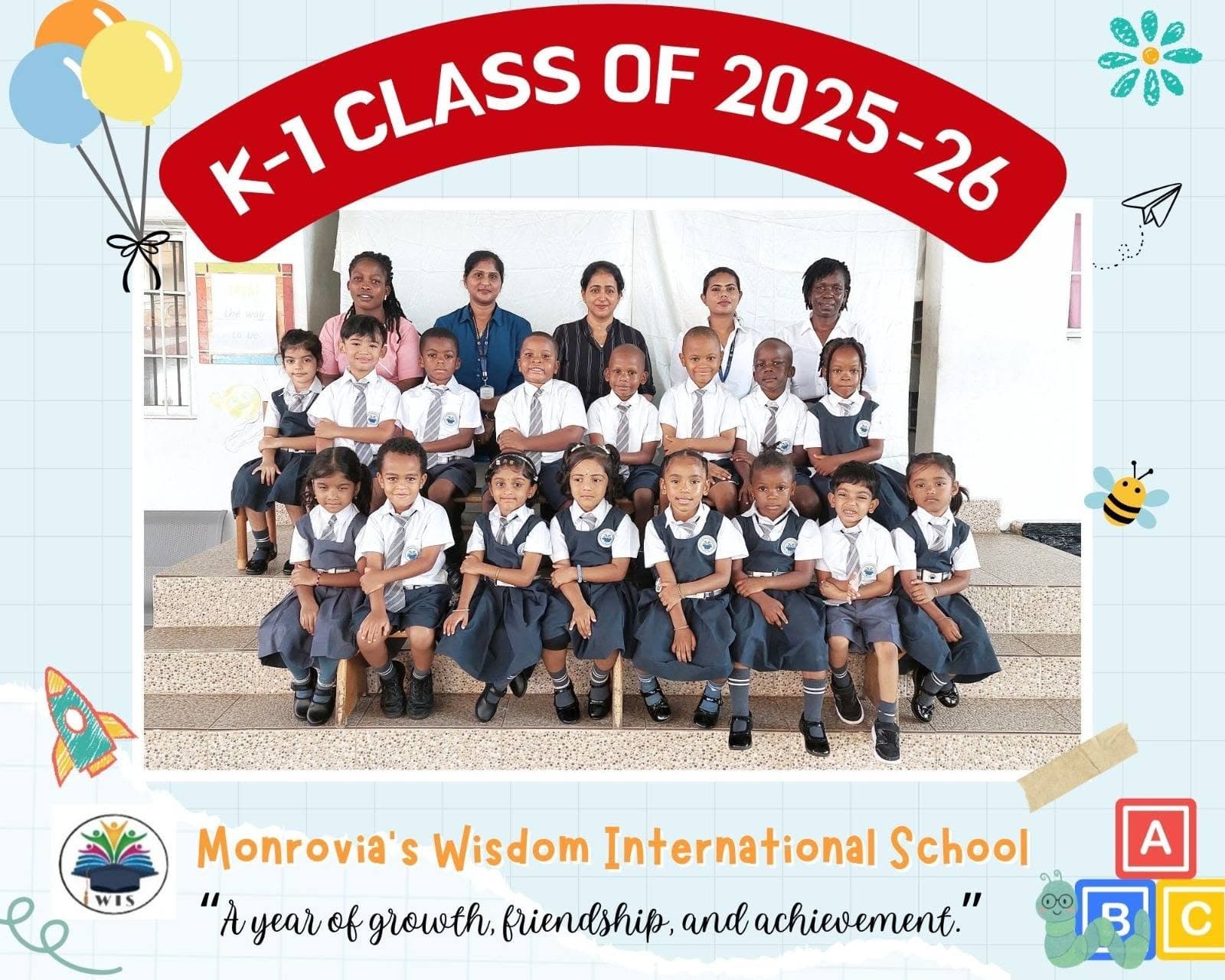
When comparing schools, parents often focus on facilities, fees or exam results — and overlook one of the factors that affects a child's daily experience the most: how many students are in the classroom with them.
What actually happens in a smaller classroom
In a class of 15-20, a teacher can notice when a child is quietly struggling, before it becomes a pattern. They can adjust a lesson on the spot, spend an extra few minutes with a child who needs it, and give real feedback on writing and speaking — not just tick a box on a test.
- Teachers catch gaps in understanding earlier
- Shy children get more chances to speak and be heard
- Discipline is more consistent, so less class time is lost to disruption
- Feedback on homework and classwork is more personal and specific
- Children build closer, more trusting relationships with their teacher
Why this matters even more in the early years
In Nursery and Kindergarten especially, a low child-to-teacher ratio isn't a luxury — it's close to essential. Young children need individual encouragement to build the confidence and social skills that carry them into Primary school. A teacher managing thirty toddlers simply cannot give that.
A simple question to ask any school
When you visit a school in Monrovia, ask directly: how many children are in this class? Watch a lesson if you can. You'll notice quickly whether children are engaged and known by name, or quietly lost in the back row.
At Wisdom International School, we deliberately keep our classes small — from Nursery through Grade 12 — so every child is seen, encouraged and supported by name, not by number. It's one of the reasons families choose us, and something we're happy to show you during a school visit.